Tree Care Resources for Arkansas Property Owners
Better Information. Better Decisions. Healthier Trees.
At Treegorilla Tree Care Experts, we believe knowledgeable property owners make better decisions about their trees. Whether you’re concerned about a declining oak, preparing for severe weather, planning construction, or simply wondering when a tree should be pruned, unserstanding the science behind tree care matters.
Our approach is guided by G. Chad Bryant, ISA Board Certified Master Arborist® (SO-6564B), alongside Site Foreman Brian Siler, ISA Certified Arborist® (SO-390923A).
With more than two decades of experience serving Arkansas communities, we’ve learned that some of the most valuable tree care begins long before anyone picks up a chainsaw.
These resources are designed to help you recognize the potential problems, understand your options, and make informed decisions about the trees that contribute so much to your property and community.
Preserving and Protecting What Matters Through Expert Tree Care.
When Should You Call a Certified Arborist?
Not every tree concern requires professional intervention, but knowing when to seek qualified advice can prevent costly mistakes and unnecessary removals.
Consider scheduling an arborist consultation when you notice:
- Cracks, cavities, or suspected decay in the trunk or major branches.
- Dead, declining, or unusually sparse portions of the canopy.
- Changes in a tree’s lean or movement around its root system.
- Large branches extending over homes, driveways, or frequently occupied areas.
- Mushrooms or other fungal fruiting bodies near the trunk or roots.
- Soil disturbance, grading, trenching, or construction near established trees.
- Unexplained leaf discoloration, premature leaf drop, or reduced growth.
An ISA Certified Arborist has demonstrated knowledge of tree biology, identification, soil management, pruning, diagnosis, and other important aspects of arboriculture.
An ISA Board Certified Master Arborist has earned an additional, advanced credential demonstrating a broader level of professional knowledge and experience.
At Treegorilla, our goal isn’t to recommend the most expensive solutions. It’s to understand the tree, identify the concern, and recommend appropriate management options.
Sometimes that means pruning, supplemental support, or improving soil conditions. Sometimes removal is warranted. And sometimes the best recommendation is simply continued monitoring.
The right decision begins with the tree.
Preparing Your Trees for Severe Weather in Arkansas
Ice storms, tornadoes, straight-line winds, and severe thunderstorms are familiar challenges throughout Arkansas.
While no tree can be guaranteed stormproof, proper assessment and management can help identify structural weaknesses and reduce certain risks before severe weather arrives.
Potential warning signs include large dead branches, weak branch unions, significant decay, root damage, and previously fractured limbs.
Professional tree risk assessments consider more than visible canopy. They evaluate tree condition, structural defects, surrounding targets, and the likelihood and consequences of failure.
Depending on the findings, recommendations may include:
- Hazard mitigation pruning to address identified defects.
- Structural pruning to improve branch architecture.
- Supplemental cabling or bracing where appropriate.
- Soil and root-zone improvements.
- Periodic monitoring or further investigation.
- Removal when the risk cannot be reasonably managed.
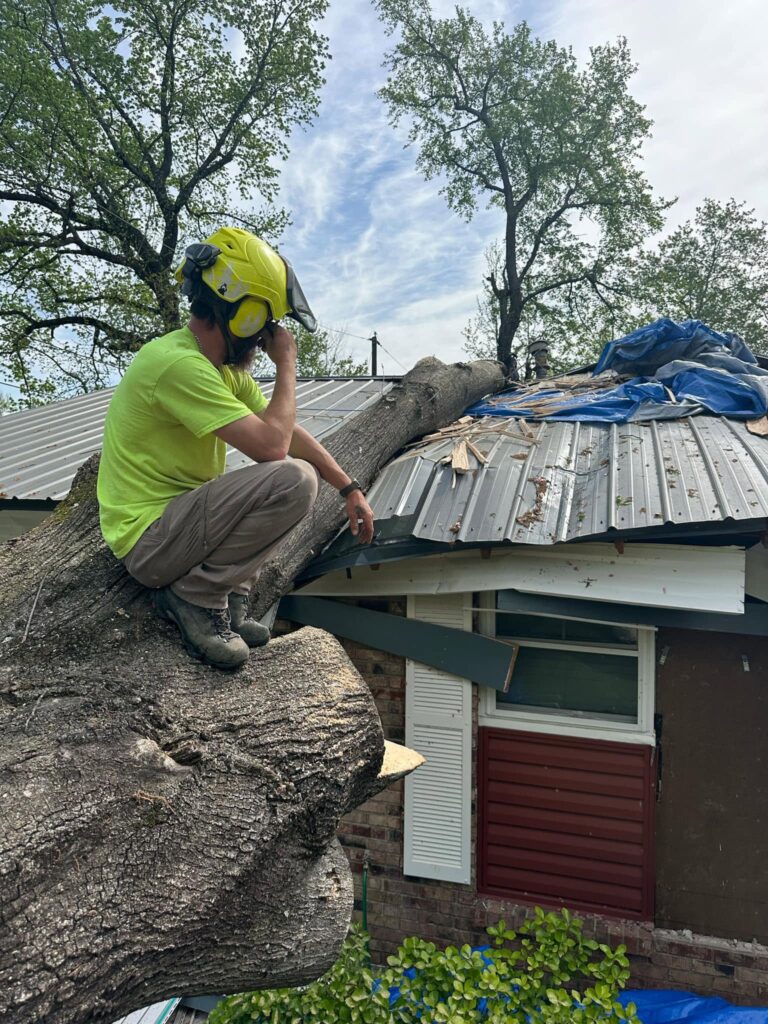
Following a storm, avoid approaching trees contacting utility lines, partially uprooted trees, or broken branches suspended overhead. These situations can be extremely unpredictable.
Treegorilla provides emergency storm damage response throughout our primary Central Arkansas service area.
Common Tree Care Myths That Can Cost You
Myth: Topping a tree makes it safer.
Topping removes substantial portions of a tree’s canopy, often leaving large wounds and stimulating vigorous sprout growth.
Depending on the species and conditions, those sprouts may develop weak attachments, creating future structural concerns while reducing the tree’s health and appearance.
Proper structural pruning and selective reduction are generally more appropriate approaches when canopy management is necessary.
Myth: A tree with green leaves must be healthy and structurally sound.
A full, green canopy can indicate good physiological activity, but it does not guarantee structural integrity.
Trees can maintain apparently healthy foliage while experiencing internal decay, root damage, or significant structural defects.
Tree health and tree risk are related, but they are not the same thing.
Myth: Removing more branches makes a tree healthier.
Pruning is a deliberate injury to a tree. When performed correctly, it can improve structure, address defects, and accomplish specific management objectives.
Excessive or improper pruning can reduce photosynthetic capacity, deplete stored energy, stimulate undesirable growth, and create wounds the tree must compartmentalize.
A chainsaw cannot manufacture tree health, but improper use can cause irreversible damage.
Myth: Climbing spikes are appropriate for routine pruning.
Climbing spurs penetrate living tissues and can create unnecessary wounds.
For that reason, they generally should not be used when climbing trees intended for preservation, except in limited circumstances where their use is justified under applicable industry standards.
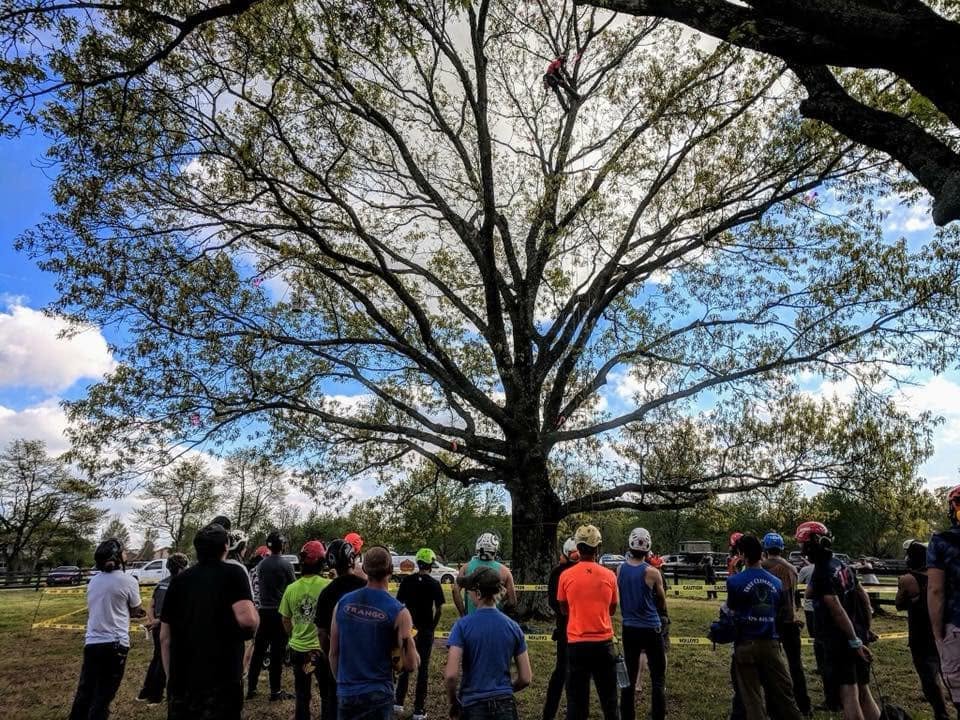
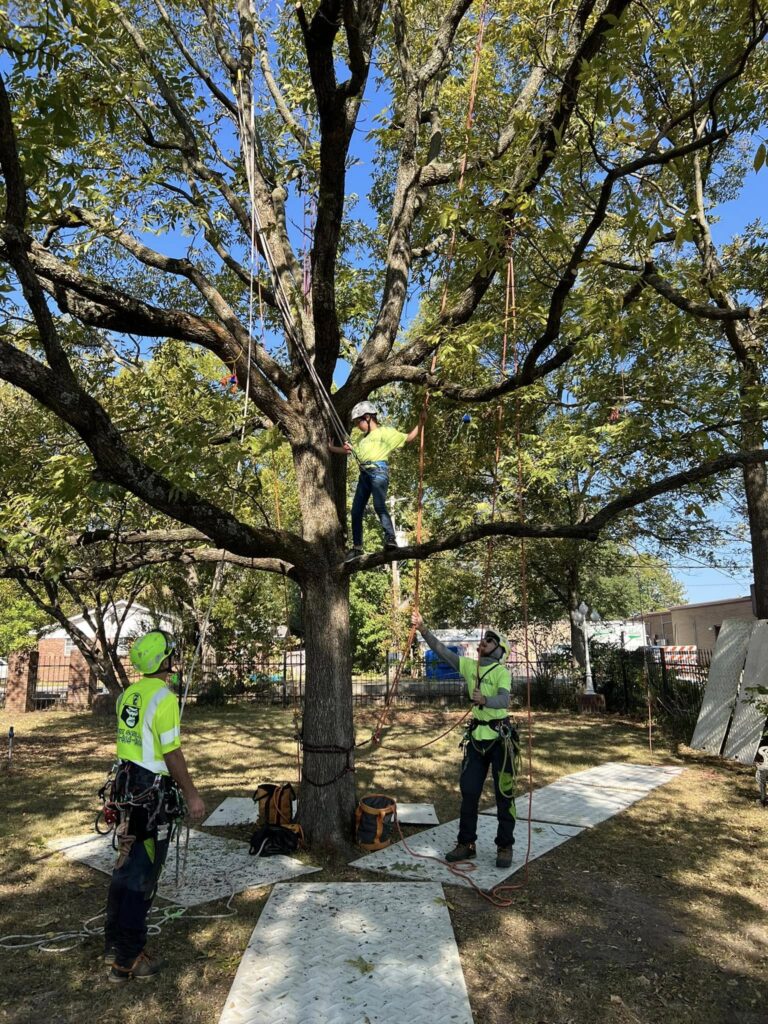
Professional climbing arborists use specialized rope systems and access techniques to work within tree canopies while minimizing unnecessary injury.
Myth: Every declining tree needs to be removed.
Decline can result from numerous interacting factors, including drought, soil compaction, root damage, improper planting depth, pests, disease, and restricted growing conditions.
Identifying the underlying cause is essential before recommending treatment or removal.
Some trees can respond favorably to appropriate corrective care. Others may have irreversible damage or unacceptable structural risks.
The difference is determined through professional assessment, not assumptions.
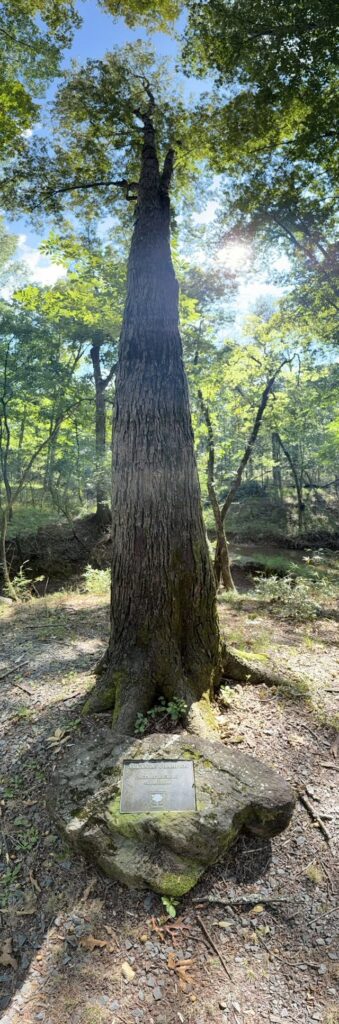
Continuing Education and Professional Credentials at Treegorilla
Expertise isn’t something you achieve once. It’s something you continue developing.
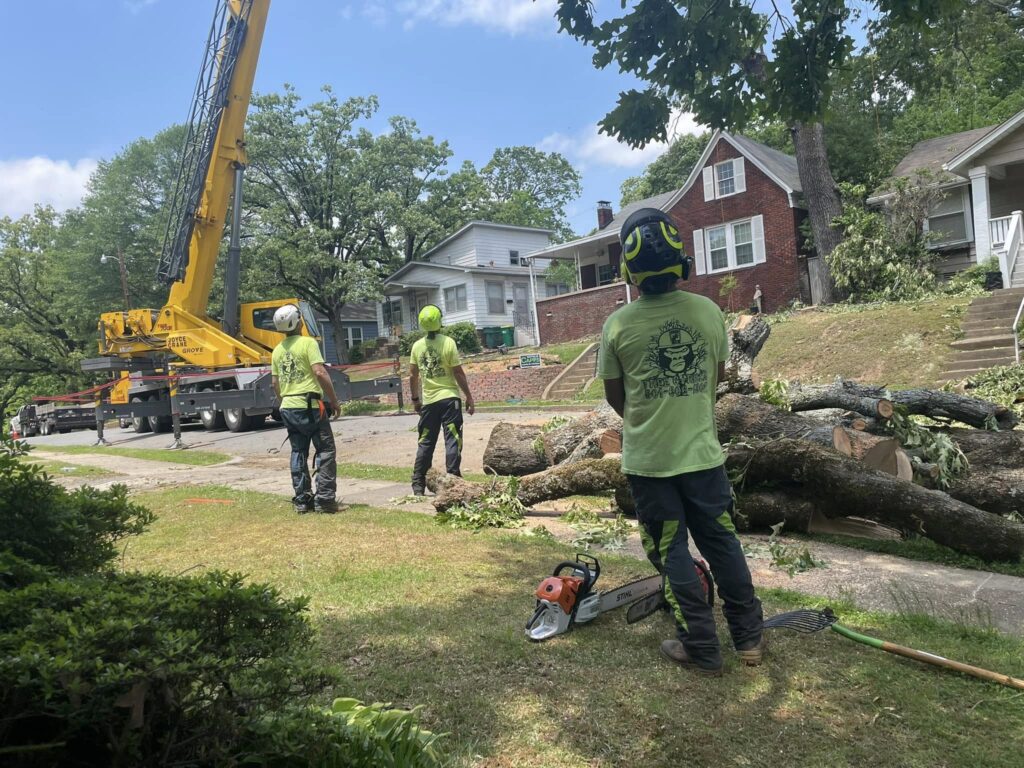
Treegorilla’s commitment to education begins with our leadership and extends throughout our crew.
G. Chad Bryant - ISA Board Certified Master Arborist
Certification #SO6564B
Chad has spent more than two decades working in professional arboriculture and has continued advancing his knowledge through certification, industry education, professional involvement, and hands-on experience.
In 2026, he earned the ISA Board Certified Master Arborist credential, the International Society of Arboriculture’s highest certification level.
His experience includes mature tree preservation, advanced pruning, technical tree removal, structural support systems, tree assessment, and the management of trees in challenging environments.
Chad has also been actively involved in tree climbing competitions, arboricultural education, and industry volunteer service for many years.
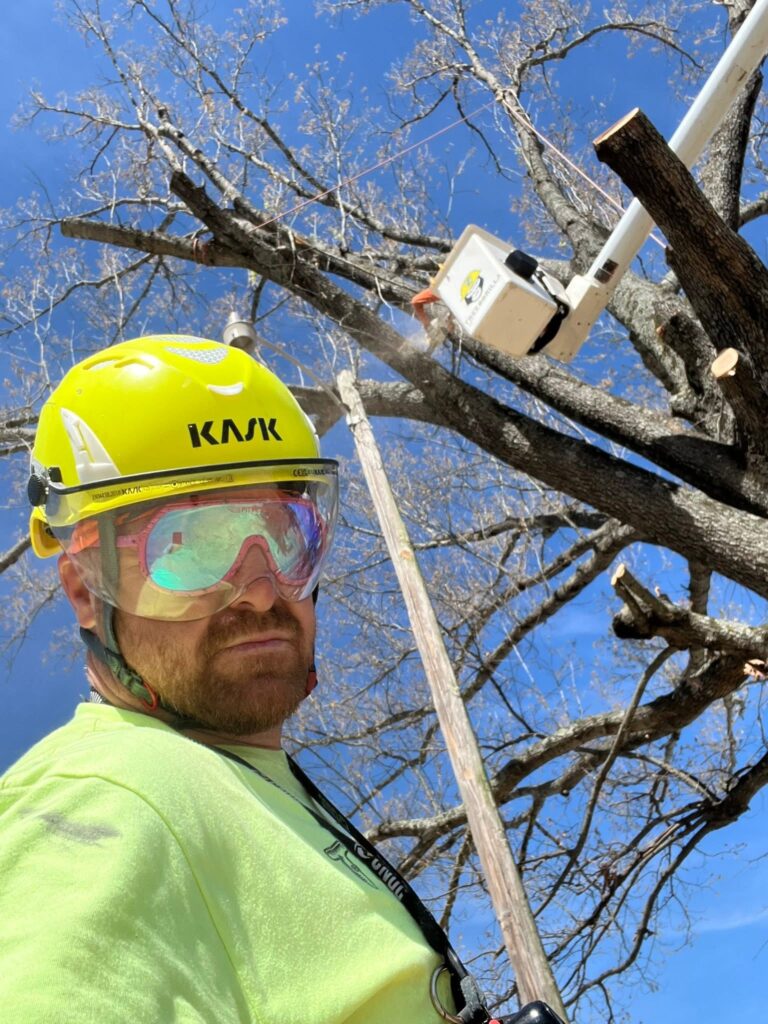
Brian Siler - ISA Certified Arborist®
Certification #SO-390923A
Site Foreman, Treegorilla Tree Care Experts
Brian brings extensive practical experience in tree care operations, specialized equipment, crew leadership, and jobsite safety.
His ISA Certified Arborist credential demonstrates his commitment to expanding his knowledge of tree biology, professional standards, and responsible arboricultural practices.
As Site Foreman, Brian plays an important role in translating professional recommendations into safe, effective field operations.
A Culture of Learning
Our commitment to professional development doesn’t stop with certification.
We encourage continuing education, professional training, climbing competitions, equipment proficiency, and the sharing of knowledge among arborists.
Our goal is to develop professionals who understand not only **how** to perform tree work, but also **why** a particular technique is appropriate.
This commitment reflects our five core values:
Safety. Integrity. Stewardship. Teamwork. Expertise.
Professional credentials can be independently verified through the International Society of Arboriculture’s credential verification resources.
Seasonal Tree Care Guidance for Arkansas
Arkansas trees experience a wide range of environmental conditions, from winter ice storms to extended periods of summer heat and drought. Appropriate tree care depends on species, condition, management objectives, and seasonal considerations.
Winter: Structural Assessment and Pruning
Dormancy can provide an excellent opportunity to evaluate the architecture of deciduous trees because their branch structures are easier to observe without foliage. Winter is often a suitable period for structural pruning, although the timing depends on species and objectives.
Spring: Growth and Early Problem Detection
Summer: Water Management and Stress Reduction
Fall: Planting and Long Term Planning
Understanding Tree Risk: Hazard, Likelihood, and Consequences
A large tree isn’t automatically a dangerous tree, and a smaller tree isn’t automatically safe.
Professional tree risk assessment considers the interaction between a tree’s condition, the likelihood of failure, the likelihood of impacting a target, and the potential consequences.
A structurally compromised tree in an isolated woodland may present a very different level of risk than a similar tree beside a home, playground, or frequently traveled roadway.
At Treegorilla, we believe sound risk management should consider both public safety and the benefits of retaining mature trees.
Our recommendations may involve target pruning, supplemental support, monitoring, further investigation, or removal.
The objective is not to eliminate every possible risk, which is impossible, but to help property owners understand and responsibly manage identifiable concerns.
Contact Us Today
Get Answers From a Board Certified Master Arborist
If you have a question about a tree on your property that isn’t answered here, call (501) 606-1309 or email info@treegorilla.com. We answer questions from Central Arkansas property owners directly and can often tell you over the phone whether a situation actually needs an in-person consultation.
For anything involving a real safety concern, an actual on-site assessment always beats a guess made from a description or a photo, and we’re happy to schedule that assessment whenever you’re ready.
Questions about services, timing, or what a proposal actually includes are welcome too, since a property owner making a fully informed decision is the whole point of how we approach every job from the very first call.