Plant Healthcare
Plant Healthcare in Little Rock, Cabot, Sherwood & Central Arkansas
Most tree problems don’t start in the canopy. They start below ground, in the soil and roots, long before a homeowner ever notices a change in the leaves. By the time a canopy shows visible stress, the underlying issue has often been developing quietly for a year or more. Our plant healthcare program — built around the standard Chad Bryant holds as a Board Certified Master Arborist with fifteen years as a certified arborist — treats a tree’s health as an ongoing relationship, not a one-time fix. Call (501) 606-1309 to schedule a plant healthcare assessment in Little Rock, North Little Rock, Cabot, Sherwood, Jacksonville, Searcy, Beebe, Lonoke, or Carlisle.
Soil and Root Care for Central Arkansas Trees
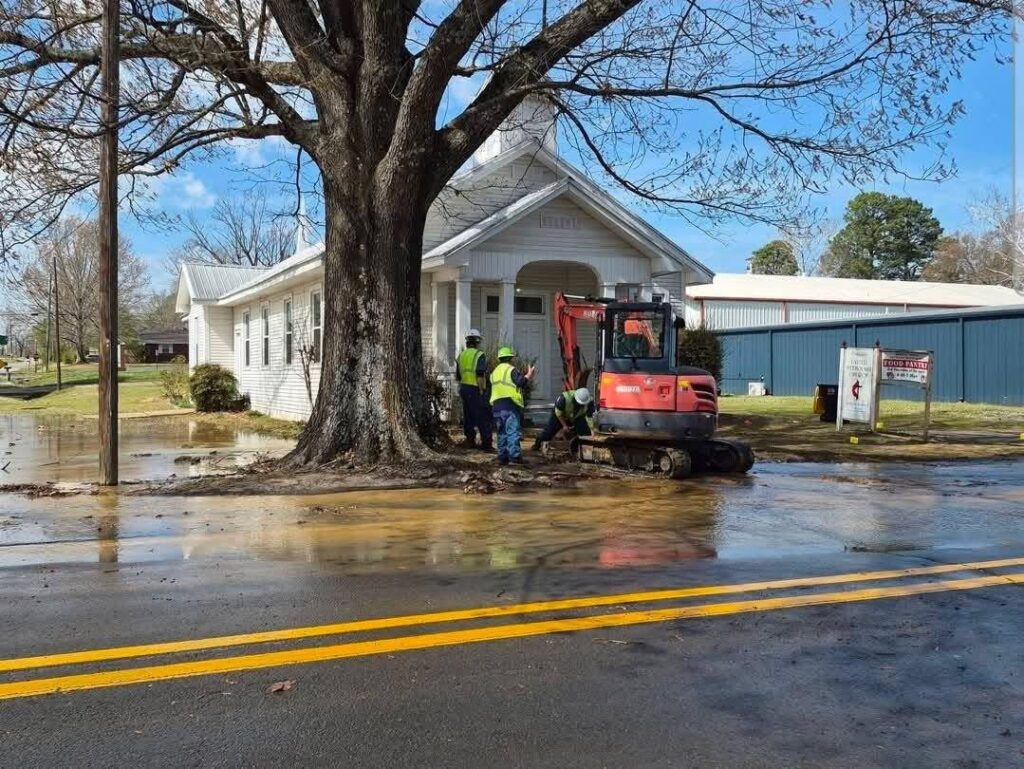
Compacted soil is one of the most common — and most overlooked — causes of tree decline on Central Arkansas properties. Construction, foot traffic, and even routine lawn equipment can compress the soil around a tree’s root zone over years, cutting off the oxygen and water exchange that healthy roots depend on.
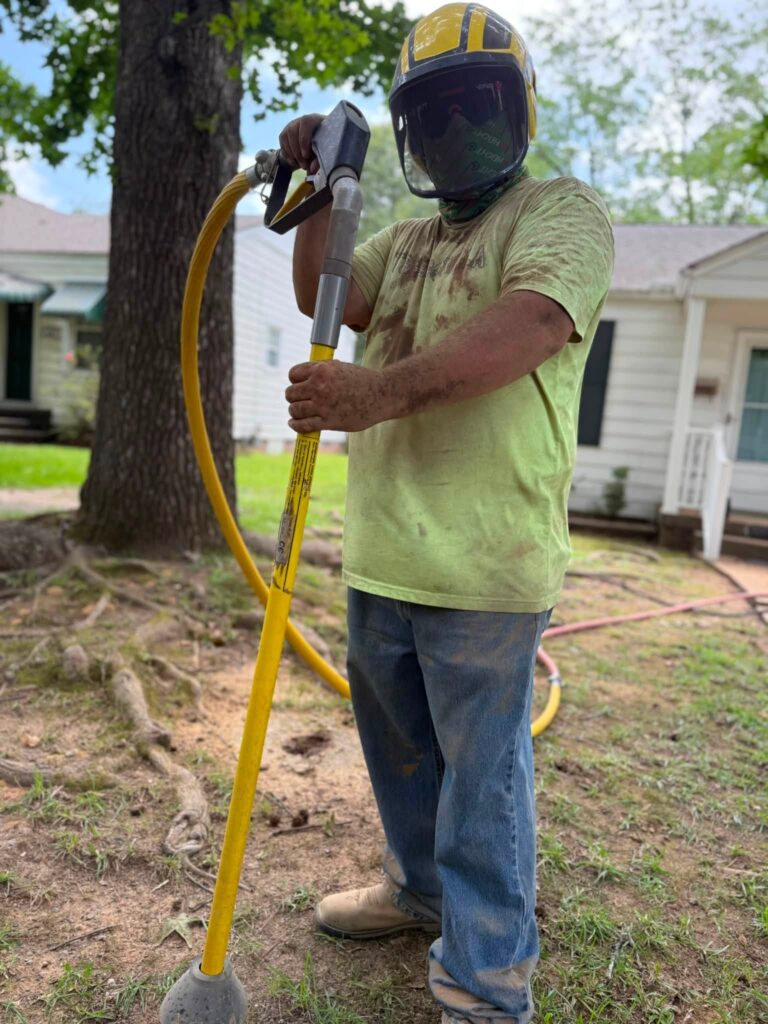
We address that with practices like vertical mulching and soil aeration, opening up compacted ground so roots can access what they need again. Root collar excavation is another piece of the process, checking for girdling roots or improper planting depth that can quietly choke a tree for years before it shows up above ground. These are slow, deliberate fixes rather than quick treatments, since soil health improves gradually rather than overnight.
Root damage from nearby construction or grading is treated the same way a canopy problem would be — with an actual assessment rather than a guess — since roots damaged today often don’t show visible stress until a season or two later. That delay is exactly why construction-adjacent properties benefit from a baseline root assessment before grading work even starts.
Insect and Disease Treatment for Central Arkansas Trees
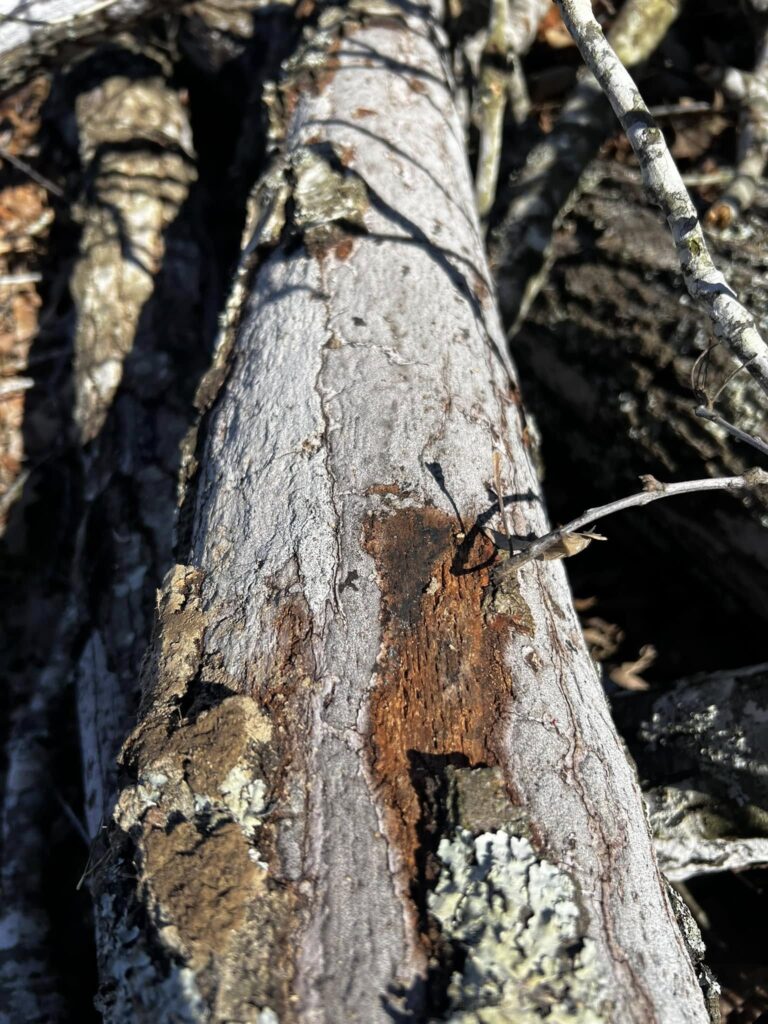
Oaks, elms, hackberries, sweet gums, and pines each carry their own set of vulnerabilities across Central Arkansas properties. Oaks face real exposure to oak wilt, a fungal disease spread by beetles that can move through a connected root system and kill a tree within a season once established.
Elms carry their own historical disease pressure, while hackberries and sweet gums deal more often with specific insect pests that thin a canopy gradually rather than killing a tree outright. Pines respond differently again, often showing stress through resin bleeding or needle discoloration well before a structural failure becomes visible.
We treat these issues based on the specific species and symptom rather than a blanket spray program applied the same way to every tree on a property, since the wrong treatment can waste time on a problem the tree doesn’t actually have.
Tree Preservation and Long-Term Health Monitoring
Preservation is plant healthcare played out over years rather than a single visit. For property owners with mature trees they want to keep for decades, we build monitoring into the relationship, catching early signs of decline before they become a removal decision.
That kind of ongoing attention is part of why some of the trees we cared for early in the company’s two decades are still standing on Central Arkansas properties today — cared for through changes in ownership, weather, and decades of growth.
Monitoring doesn’t have to mean a fixed schedule of visits. For a lot of property owners, it means our arborist flagging something worth watching during a pruning or consultation visit, then following up the next time we’re on site rather than treating every check as its own billable event.
Plant Healthcare Programs for Commercial and Institutional Properties
Commercial and government clients across Central Arkansas rely on us for ongoing plant healthcare programs rather than one-off service calls. A property with dozens or hundreds of trees needs a monitoring plan, not a reaction to whichever tree looks worst on a given day.
We apply the same Board Certified Master Arborist standard to a corporate campus or public property that a homeowner gets for a single backyard tree.
That standard matters more at scale, not less. A pest or disease issue that goes unnoticed on one tree in a large planting can spread to neighboring trees of the same species before anyone realizes there’s a pattern rather than an isolated problem.
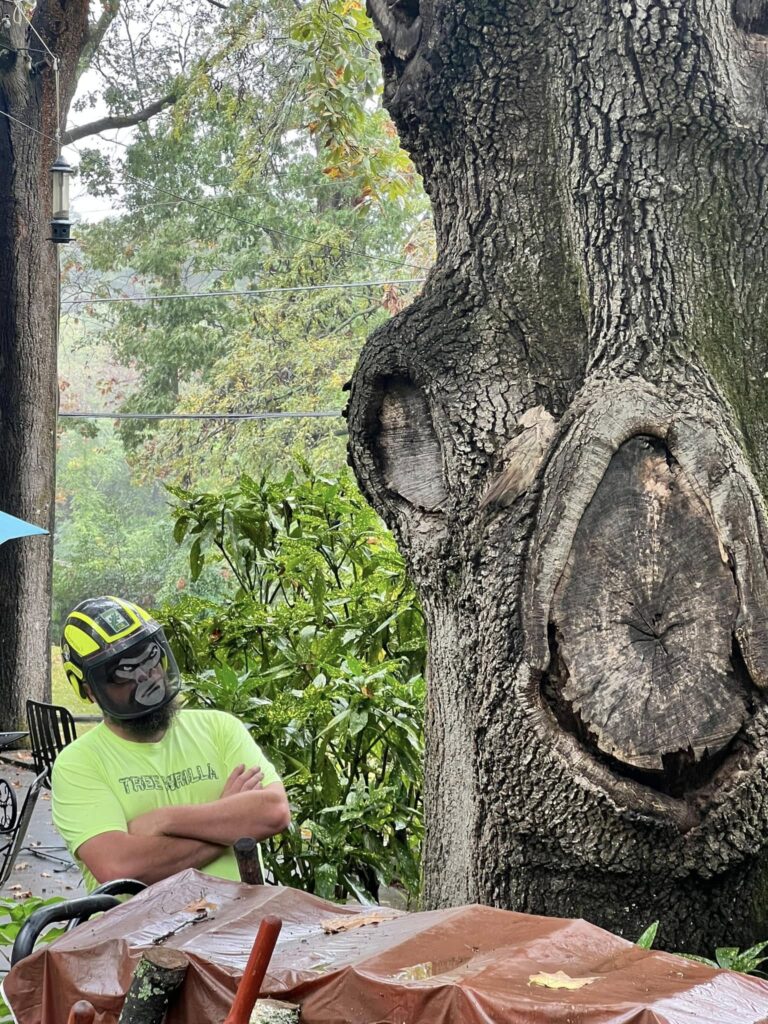
Why Plant Healthcare Comes Before a Removal Decision
A tree that looks like a removal candidate is sometimes a tree that just needs its soil aerated, its roots checked, or a specific pest addressed early enough to reverse the decline. We treat plant healthcare as the first question, not an afterthought once removal is already decided.
That order protects the tree and the property owner’s investment in it, since a mature tree that’s been part of a landscape for decades is rarely something a homeowner wants to lose if there was a way to save it.
It also protects against the opposite mistake — spending money on treatments for a tree that’s already too far gone to save. Part of a proper plant healthcare assessment is being honest about which trees are worth the investment and which ones have already passed that point.
Request a Quote
Ready to Work Together? Send Us A Message and Our Tree Experts will Contact You.
Schedule a Plant Healthcare Consultation Today
If a tree on your property in Little Rock, Cabot, Sherwood, Jacksonville, or anywhere else in Central Arkansas looks like it’s struggling, call (501) 606-1309 or email info@treegorilla.com before assuming the worst. We’ll assess the tree directly and recommend a plant healthcare plan built around what that specific tree actually needs.
Once a plan is set, you’ll receive a written proposal within two days broken into what’s included, what’s recommended, and what’s optional, so you know exactly what you’re deciding on before any work begins.
Once a consultation is complete and a deposit is in for any recommended treatment, most plant healthcare treatments and follow-up visits get scheduled within two weeks of that proposal, and we stay involved through the process rather than handing off monitoring to someone unfamiliar with your specific trees.