Arborist Consultations
Arborist Consultations in Little Rock, Cabot, Sherwood & Central Arkansas
Before we prune, remove, or install a support system on a tree, we look at it first. We treat a consultation as its own service — a real diagnosis rather than a sales visit disguised as one — led by the standard Chad Bryant holds as a Board Certified Master Arborist. That distinction matters more the longer a tree has been standing on your property, since years of unseen stress don’t always show up the way a fresh problem does. Call (501) 606-1309 to schedule a consultation for a tree on your property in Little Rock, North Little Rock, Cabot, Sherwood, Jacksonville, Searcy, Beebe, Lonoke, or Carlisle.
What Happens During an Arborist Consultation
When you call, we gather the details of your property and your concern before anything gets scheduled. On the day of the visit, we confirm the appointment that morning and call again within an hour of arrival, so there’s no guessing at a window.
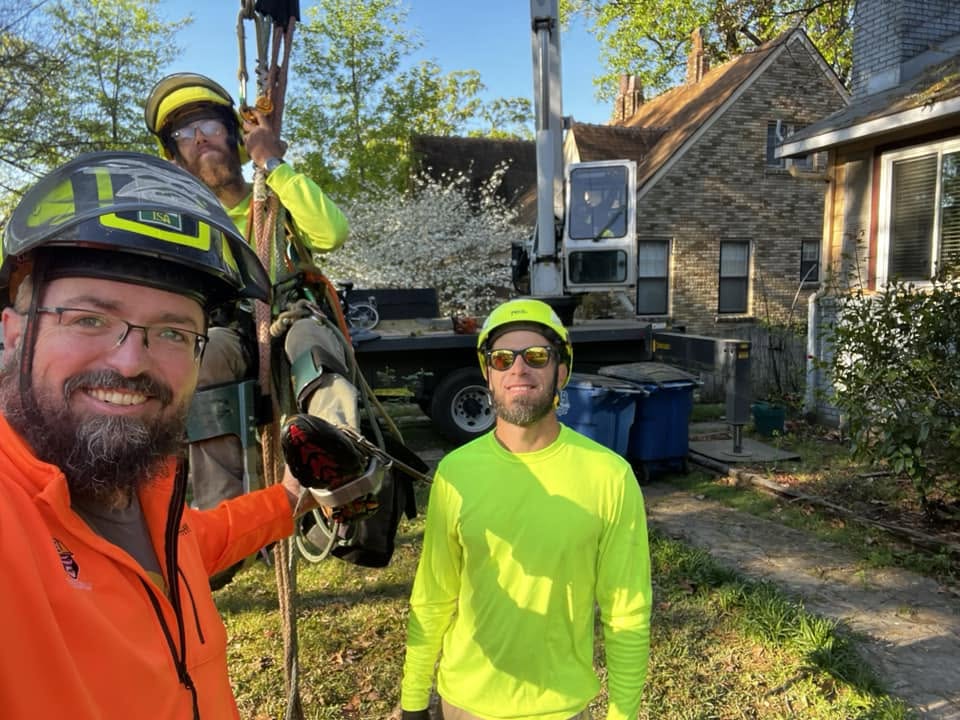
On site, we photograph the tree in question and walk the property with you, talking through what you’ve noticed and what you’re hoping to accomplish — whether that’s saving a tree, addressing a hazard, or planning ahead for a construction project.
Within two days of the visit, you receive a written proposal by email, broken into what’s included, what’s recommended, and what’s optional. That structure lets you decide with full information instead of a single lump-sum number that hides which parts of the job are essential and which are extra.
Why a Consultation Comes Before an Estimate
A lot of tree companies skip straight to a price based on a quick look from the curb. We start with the tree itself, since its species, its structure, and its history of stress all change what work actually makes sense. Skipping that step doesn’t just risk the wrong recommendation — it risks paying for work that doesn’t address the actual problem at all.
That order matters most on the calls that aren’t obvious — a tree that looks concerning but might only need monitoring, or one that looks fine but is hiding a structural problem underneath a healthy canopy. A consultation catches both situations before money changes hands on the wrong plan.
It also protects you from paying for work you don’t need. A tree that could be saved with cabling instead of removal, or one that just needs a season of monitoring instead of any cutting at all, only gets identified correctly when someone actually looks at it first.
What a Board Certified Master Arborist Actually Diagnoses
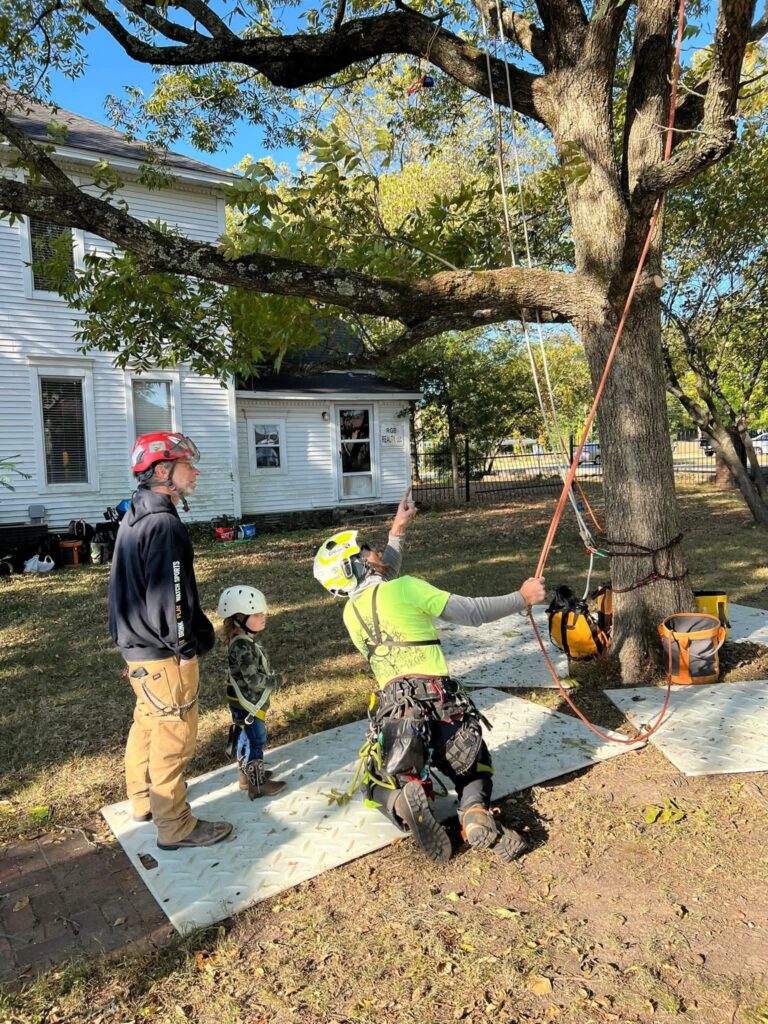
Chad has held his certified arborist credential for fifteen years and, this year, completed the Board Certified Master Arborist designation — a distinction fewer than two percent of arborists nationwide ever reach. That level of training is the standard behind every consultation we run, and it means a consultation covers more than what’s visible at a glance.
A proper diagnosis looks at root flare and soil conditions, branch unions and included bark, decay patterns in the trunk, and how a tree’s specific growth history has shaped its current risk on the property. Those details are exactly what separates a genuine consultation from a guess dressed up as one.
That depth of assessment is also why we bring in outside tree care educators to train alongside our crew regularly. Diagnosis skills that stay current with ongoing arboriculture research hold up better over time than techniques learned once and never revisited.
Consultations for Central Arkansas's Oaks, Elms, Hackberries, Sweet Gums & Pines
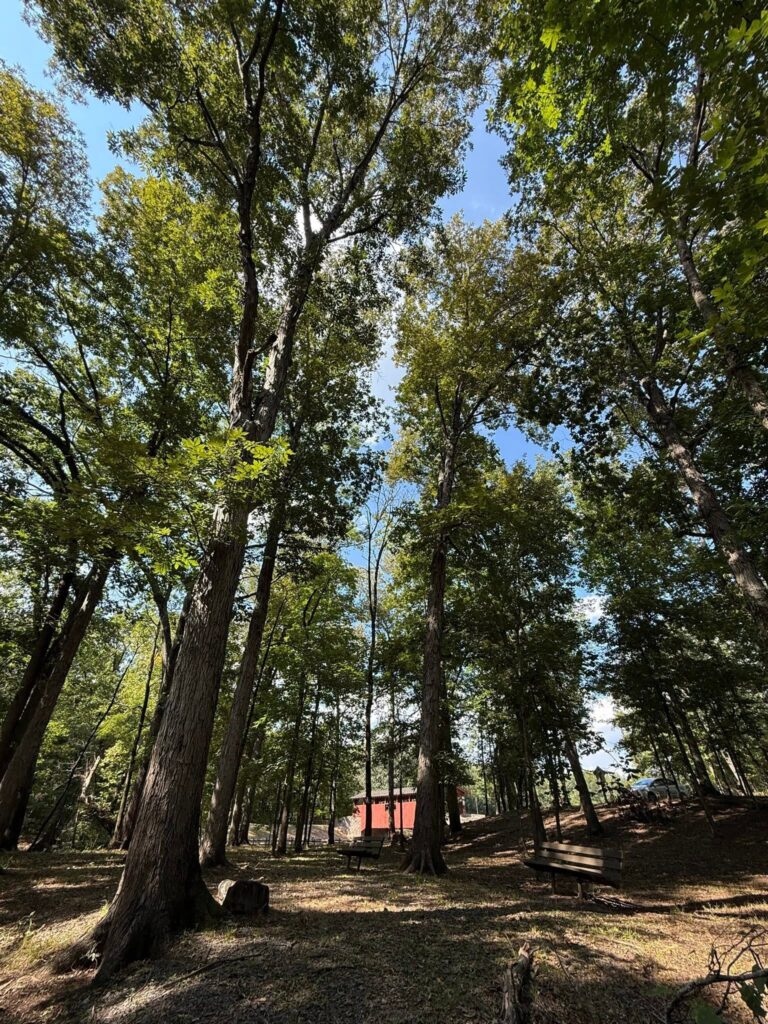
Central Arkansas properties carry a specific mix of species, and each one needs a different set of questions answered during a consultation. An oak’s risk often hides behind a healthy-looking canopy, while a pine tends to show more visible warning signs before a real structural failure.
Elms, hackberries, and sweet gums each bring their own distinct patterns of decay, weak branch unions, or root issues, and our consultations are built around the specific tree in front of us rather than a one-size-fits-all checklist applied to every species the same way.
That’s part of why two trees on the same property — even the same species planted the same year — can end up with two completely different recommendations. Soil conditions, sun exposure, and proximity to structures all change how a tree has developed and what it needs going forward.
Risk Assessments for Commercial & Institutional Properties
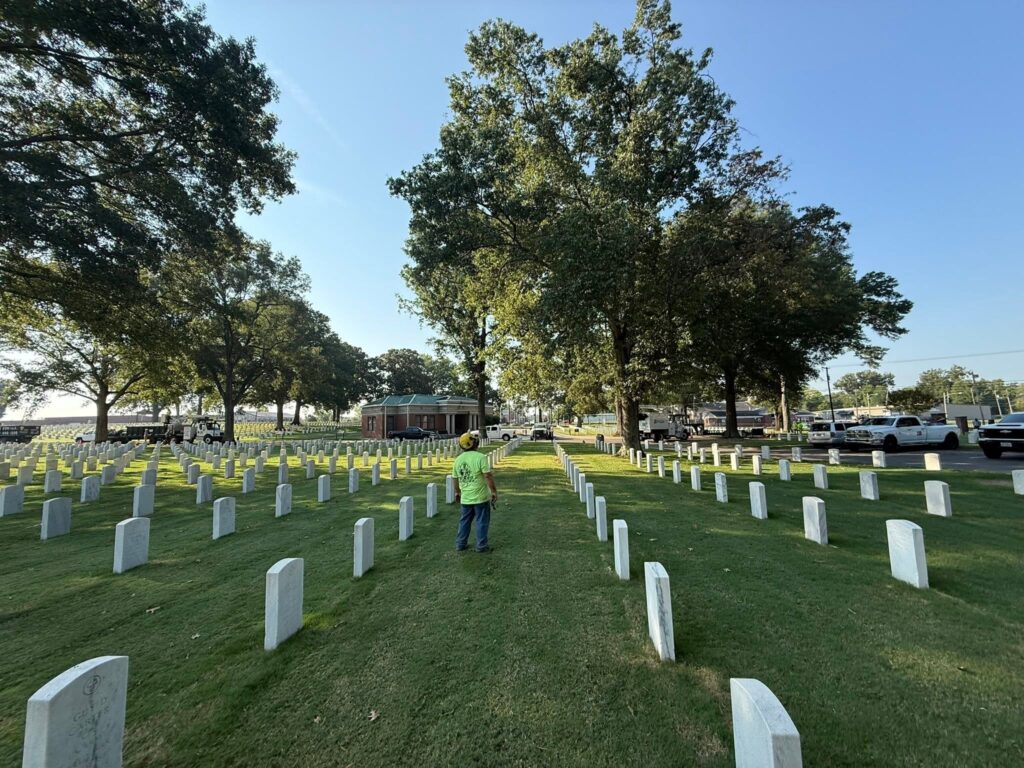
Commercial and government clients across Central Arkansas rely on us for tree risk assessments — evaluating trees on institutional grounds, construction sites, or high-profile properties where a failure carries real liability. It’s a core part of the work we do across the region.
A commercial consultation follows the same process as a residential one — an on-site visit, photographs, and a written assessment — just applied at a scale that might cover a whole property rather than a single tree. That scale doesn’t change the standard applied, only the number of trees the assessment has to account for in a single visit.
For institutional clients, that assessment often becomes the basis for an ongoing plant healthcare plan or a multi-phase pruning and preservation schedule, rather than a single one-time visit with no follow-up built in.
Request a Quote
Ready to Work Together? Send Us A Message and Our Tree Experts will Contact You.
Schedule Your Arborist Consultation Today
If you have a tree in Little Rock, Cabot, Sherwood, Jacksonville, or anywhere else across Central Arkansas that you’re unsure about, call (501) 606-1309 or email info@treegorilla.com. We’ll talk through your specific concern directly and get a consultation scheduled at a time that works for your property.
Once a consultation is complete and a deposit is in for any recommended follow-up work, most jobs are completed within two weeks depending on scope and storm activity, and we follow up once the job is done.
That personal follow-through — from the first phone call to the final check after the work wraps up — is the same standard whether the job is a single backyard tree or a multi-acre commercial property anywhere in Central Arkansas.